


The Wood Guide
Not all wood is created equal.
If you’re bringing something into your home or onto your porch, it should be built with the right material for the job.
Here’s a simple breakdown of the woods we use, why we use them, and what makes each one worth it.
No fluff. Just the facts
...and a little sawdust.

The Story Is In The Slice

A — Growth Rings
Each ring represents one year of growth. More rings = an older tree.
B — Knot (Branch Mark)
This is where a branch once grew. Knots add character and create unique grain patterns.
C — Color Variation
The mix of light and purple tones comes from natural oils, minerals, and aging. No two pieces are ever the same.
D — Pith (Center of the Tree)
The very center of the tree where it first started growing. If it’s off-center, the tree likely leaned or grew toward sunlight.
E — Sapwood
The lighter outer layer. This part of the tree carried water and nutrients while it was alive.
F — Bark Edge
The outermost edge where the bark once was. This protected the tree from the elements.
G — Growth Patterns
Wide rings mean strong growing seasons. Tight rings mean slower growth—usually from tougher conditions.
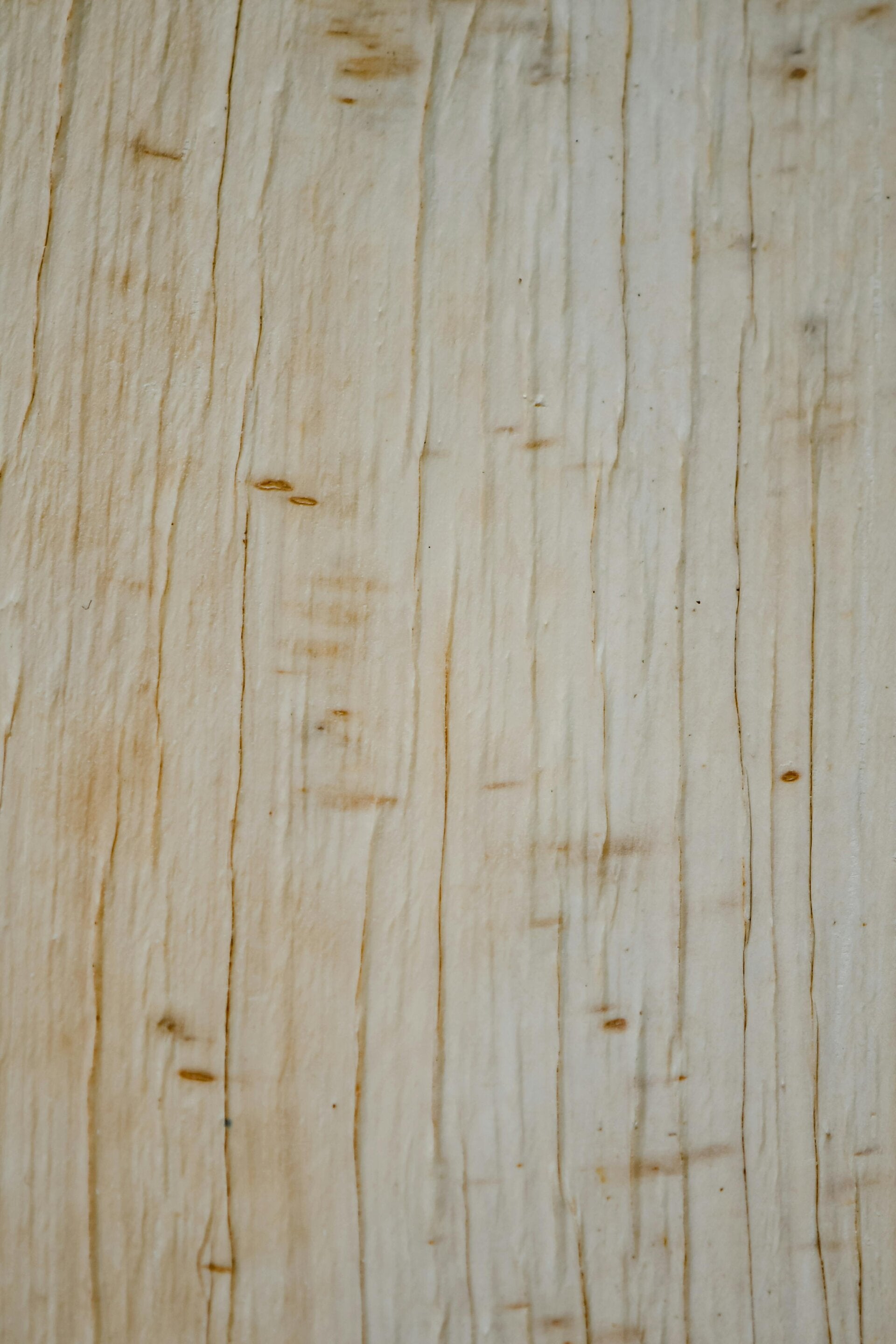
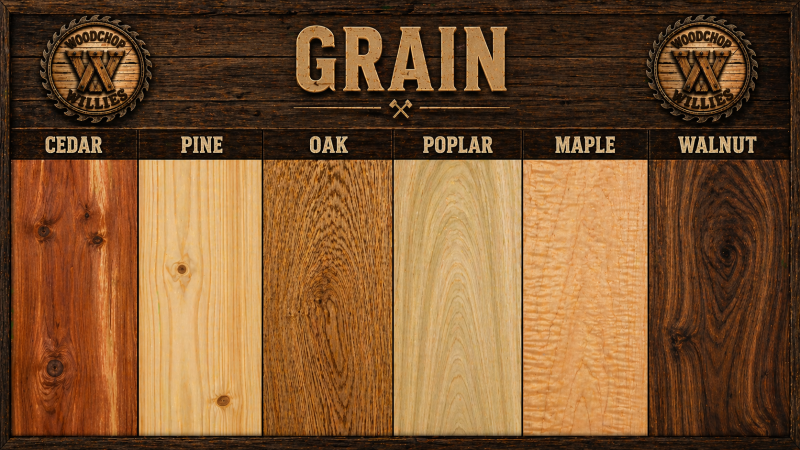
It all starts with the wood.
We keep a range of lumber on hand.
each one chosen for what it does best, where it belongs, and how well it holds up.
No guesswork.
just the right wood for the right build.

Cedar
Best for:
Outdoor furniture, porch pieces, rocking chairs
Why we use it:
Naturally resistant to rot and insects, holds up well in the elements, and stays lightweight while still being strong. Perfect for anything that’s going to live outside.
Willie’s Take:
It sure is pretty.
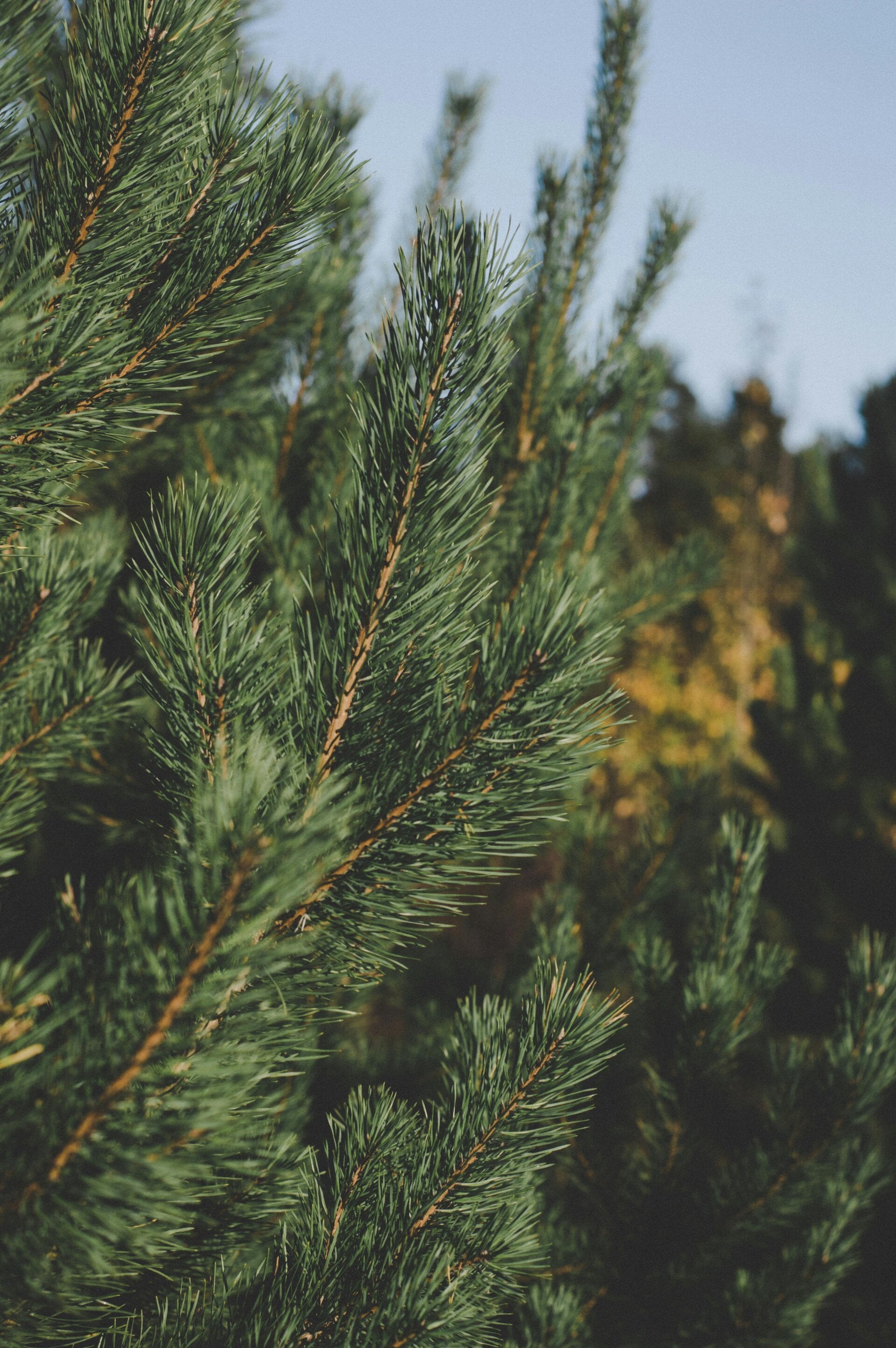
Pine
Best for:
Indoor furniture, shelves, budget-friendly builds
Why we use it:
Affordable, easy to work with, and takes stain well. Great for clean, simple builds that don’t need to break the bank.
Willie’s Take:
Rick, we should burn that.

Oak
Best for:
Dining tables, heavy-use furniture, long-term builds
Why we use it:
Extremely durable, dense, and built to handle wear and tear. It’s a go-to when you want something that’s not going anywhere.
Willie’s Take:
That will hold up for a while.

Poplar
Best for:
Painted furniture, cabinets, indoor builds
Why we use it:
Smooth grain, easy to cut and shape, and takes paint exceptionally well. Not flashy—but it gets the job done right.
Willie’s Take:
That’s smooth. We should paint it.
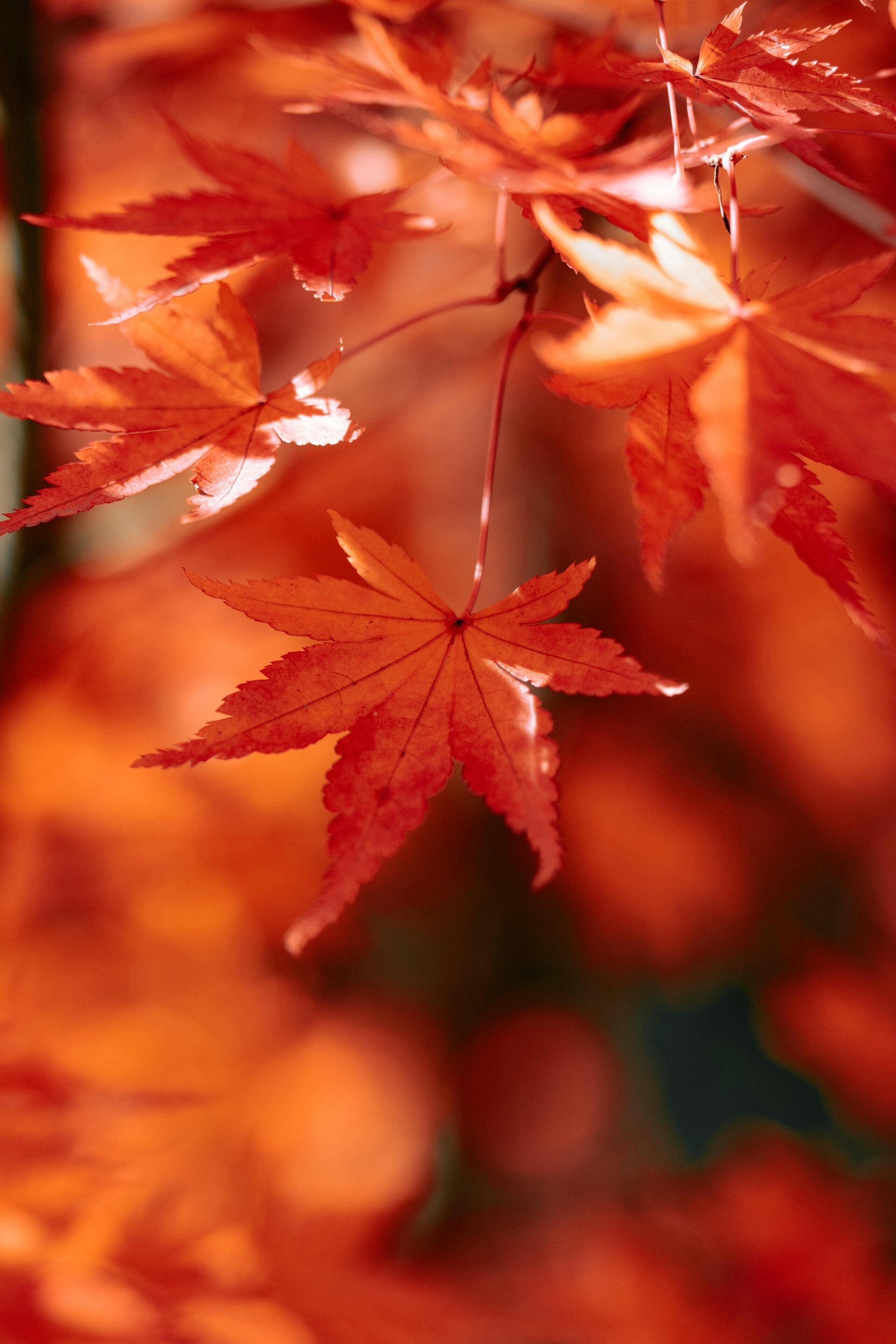
Maple
Best for:
Cabinetry, countertops, indoor furniture
Why we use it:
Strong, durable, and has a clean, uniform look. Holds up well over time, especially in high-use indoor spaces.
Willie’s Take:
Pretty wood, but keep it inside.
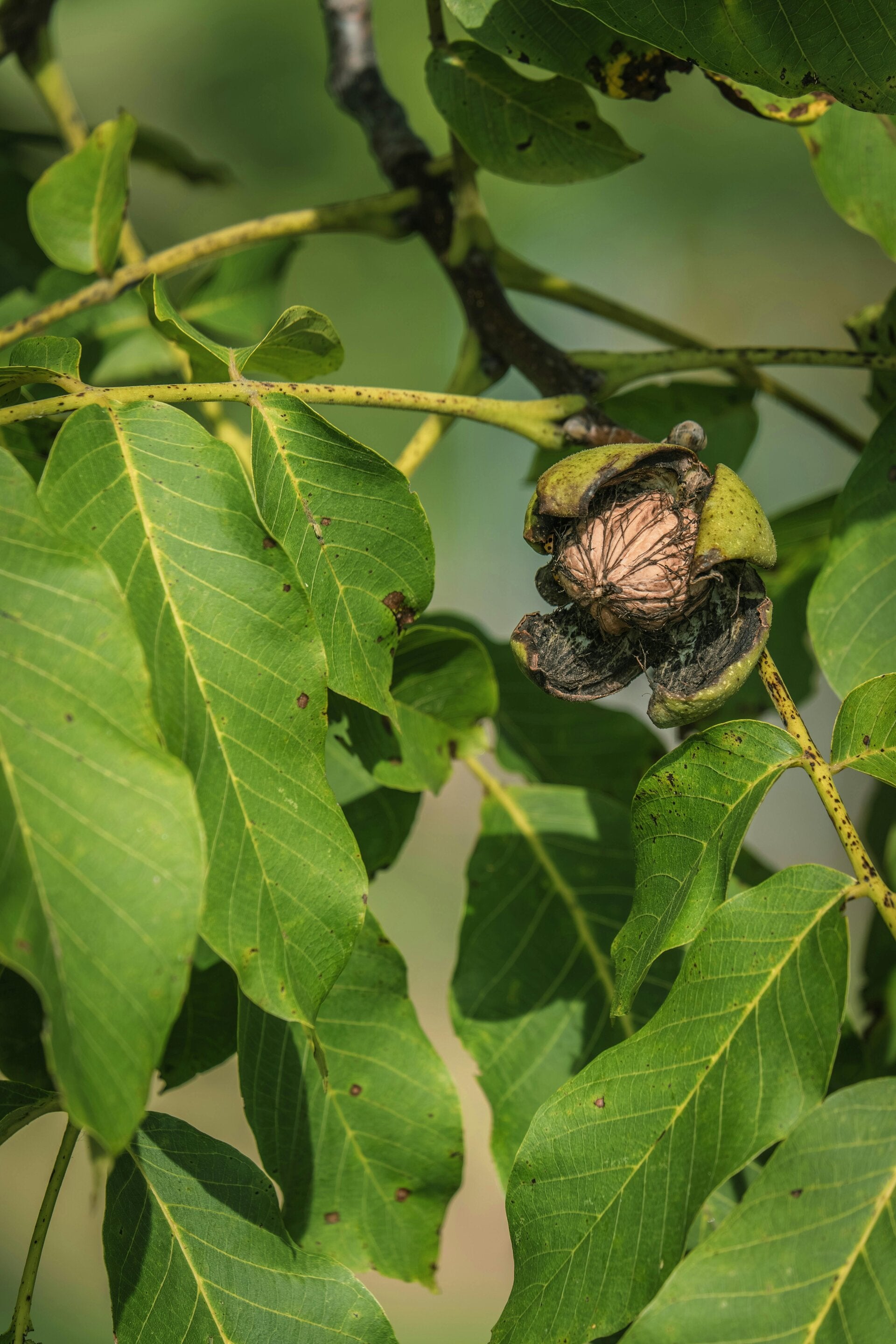
Walnut
Best for:
High-end furniture, statement pieces
Why we use it:
Rich, dark color with beautiful natural grain. Strong, stable, and one of the best-looking woods out there.
Willie’s Take:
My personal favorite. Nothing like Black Walnut.